When The Kinks released “Sunny Afternoon” in June 1966, the song arrived at a fascinating moment in popular music. Psychedelic sounds were beginning to dominate radio, with colorful experimentation, surreal lyrics, and increasingly elaborate studio production becoming the new standard. Instead of following that growing trend, The Kinks took an entirely different direction. They delivered a relaxed, melodic song filled with subtle humor, social observation, and quiet irony. Beneath its warm summer atmosphere was a clever story about wealth, privilege, and disappointment, making it one of the most distinctive singles of its era and an important milestone in British rock history.
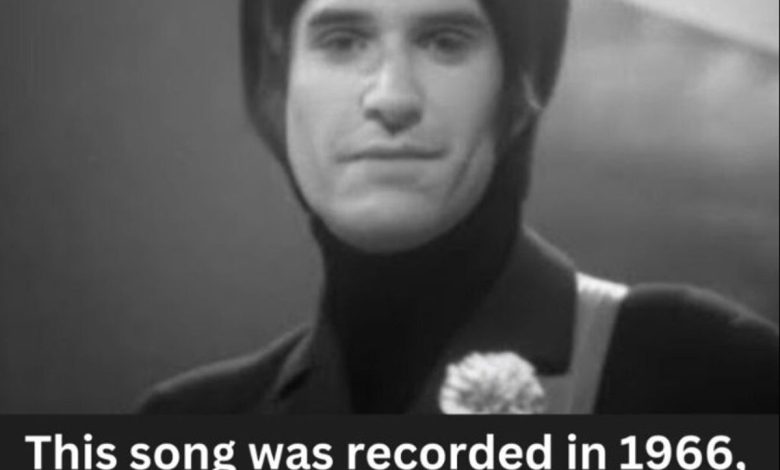
By the mid-1960s, The Kinks had already established themselves as one of Britain’s most successful rock bands. Formed in Muswell Hill, North London, by brothers Ray Davies and Dave Davies, the group had earned international recognition through energetic hits such as “You Really Got Me” and “All Day and All of the Night.” Those early recordings featured powerful guitar riffs, youthful confidence, and an unmistakable rock-and-roll attitude. Yet while their sound first attracted listeners, it was Ray Davies’ rapidly evolving songwriting that truly separated the band from many of their contemporaries. His lyrics became increasingly thoughtful, observant, and deeply rooted in everyday British life.
As Ray Davies matured as a songwriter, his interests expanded beyond romance and youthful excitement. He became fascinated by social class, national identity, changing traditions, and the contradictions of modern success. By 1966, these ideas had begun shaping his music in meaningful ways. “Sunny Afternoon” became one of the clearest examples of this artistic transformation, demonstrating that pop music could entertain audiences while also encouraging thoughtful reflection.
The inspiration behind the song came during a period when Britain’s Labour government had introduced significantly higher tax rates for wealthy earners. Ray Davies reportedly felt frustrated after seeing a large portion of his income disappear through taxation. Rather than writing a straightforward complaint, he transformed those emotions into an imaginative character study. The narrator is an aristocrat whose comfortable lifestyle is slowly falling apart. He complains about losing his yacht, watching his finances disappear, and seeing his girlfriend leave him, yet he still spends his days relaxing beneath the summer sun.
That perspective allowed Davies to create a remarkably balanced piece of satire. Instead of portraying the wealthy as heroes or villains, he highlighted the absurdity of privilege through humor and understatement. The character’s complaints seem dramatic, yet listeners quickly recognize that his hardships are very different from genuine struggle. This clever storytelling gave the song emotional depth while maintaining an easygoing charm that appealed to a broad audience.
Musically, “Sunny Afternoon” represented another major departure for The Kinks. Producer Shel Talmy helped create a restrained arrangement that contrasted sharply with the band’s earlier guitar-driven recordings. Rather than relying on aggressive rock instrumentation, the song embraced a graceful blend of baroque pop, folk influences, and gentle swing rhythms. Honky-tonk piano, an elegant descending bass line, and carefully controlled instrumentation created a relaxed atmosphere that perfectly supported the song’s reflective tone.
Ray Davies’ vocal performance also played a significant role in the song’s lasting appeal. Instead of delivering the lyrics with anger or obvious sarcasm, he sang with calm detachment, almost sounding amused by the character’s situation. That understated delivery strengthened the song’s irony because it invited listeners to discover the humor for themselves. The result was a recording that felt effortless on the surface while revealing greater complexity with every listen.
Upon its release, “Sunny Afternoon” quickly became one of The Kinks’ biggest commercial successes. It climbed to the number-one position on the UK Singles Chart and remained there for two weeks, confirming the band’s ability to evolve without losing their audience. In the United States, the single reached number 14 on the Billboard Hot 100. Its popularity also helped rebuild the group’s presence in America following a period during which they had been unable to tour there.
Music critics praised the recording for its originality and sophistication. Many recognized that The Kinks were moving beyond traditional rock music into something far more distinctive. Ray Davies proved that thoughtful songwriting could still produce major hit records, inspiring greater respect for lyric-driven pop music across the industry.
The cultural significance of “Sunny Afternoon” extended well beyond its commercial achievements. During the late 1960s, many popular artists explored psychedelic imagery, Eastern philosophy, and increasingly abstract themes. The Kinks instead remained focused on ordinary British life, examining neighborhoods, traditions, class divisions, and everyday experiences. Their music reflected familiar realities rather than fantasy, making their observations especially meaningful to listeners.
The success of “Sunny Afternoon” encouraged Ray Davies to continue exploring these themes on future albums, including Something Else by The Kinks and The Kinks Are the Village Green Preservation Society. Those records expanded his reputation as one of Britain’s finest storytellers, blending memorable melodies with detailed portraits of people and places that many listeners instantly recognized.
The song also influenced the wider direction of British rock music. It demonstrated that chart-topping singles could feature carefully developed characters instead of relying solely on simple love stories. Its blend of wit, observation, and memorable melody encouraged other artists to pursue more ambitious lyrical ideas. Bands such as The Beatles and The Who increasingly embraced richer storytelling, while later groups including Blur openly acknowledged The Kinks’ lasting influence on British pop songwriting.
Although several performers have recorded their own interpretations of “Sunny Afternoon,” including Tom Jones and Jan & Dean, few have captured the subtle balance of warmth and quiet satire found in the original version. Each cover celebrates the melody, but Ray Davies’ understated vocal delivery remains difficult to duplicate because so much of the song’s personality depends upon its restrained emotional style.
At the time he wrote the song, Ray Davies was also dealing with personal exhaustion brought on by relentless touring, professional pressures, and the growing demands of fame. In many ways, “Sunny Afternoon” became more than a social observation. It reflected his own feelings of fatigue and frustration, giving the lyrics an emotional authenticity that continues to resonate decades later.
Over the years, the recording has remained a beloved fixture on classic rock radio and countless compilations celebrating 1960s music. Its appearance in films, television programs, and retrospectives has introduced new generations of listeners to its unique combination of catchy melody and thoughtful commentary. The song continues to demonstrate that popular music can explore meaningful ideas without sacrificing accessibility or entertainment.
Ray Davies later received numerous honors for his extraordinary contributions to music, including a knighthood in 2017. Yet among his many accomplishments, “Sunny Afternoon” remains one of his defining masterpieces. Its graceful fusion of storytelling, satire, memorable songwriting, and timeless musical craftsmanship continues to showcase the remarkable creative vision that transformed The Kinks from successful rock musicians into enduring cultural storytellers whose influence still echoes throughout popular music today.