When Lesley Gore released “It’s My Party” in the spring of 1963, few could have predicted that the song would become one of the defining records of early 1960s pop music. Yet within a matter of weeks, the catchy and emotionally charged single had captured the attention of millions of listeners across America and beyond.
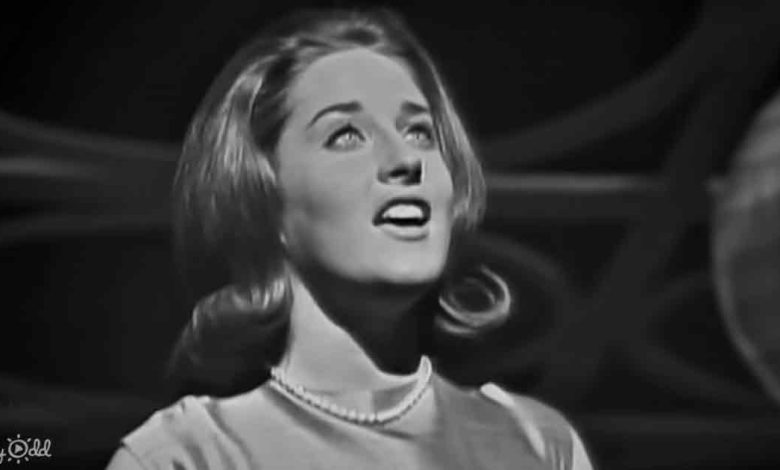
More than just a chart-topping hit, “It’s My Party” represented a new kind of teenage storytelling in popular music. It gave young listeners a voice that reflected their own emotional experiences and everyday struggles. At a time when male performers dominated the charts, Lesley Gore offered a fresh perspective through the eyes of a teenage girl dealing with heartbreak, disappointment, and public embarrassment.
The result was a song that felt deeply personal while remaining universally relatable.
Born Lesley Sue Goldstein in Brooklyn, New York, and raised in Tenafly, New Jersey, Gore was still a high school student when she recorded the song that would launch her career. Despite her young age, she possessed a vocal maturity that immediately distinguished her from many of her contemporaries.
Her voice carried both vulnerability and confidence.
Listeners could hear genuine emotion in her performance, yet there was also a sense of strength beneath the sadness. This balance became one of the defining characteristics of her music and helped establish her connection with audiences.
An important figure in her early success was legendary producer Quincy Jones. At the time, Jones was beginning to make a name for himself in the world of pop production. Recognizing Gore’s unique talent, he helped shape her image and sound, presenting her as a relatable yet sophisticated representative of teenage life in America.
The story behind “It’s My Party” is almost as fascinating as the song itself.
Written by the songwriting team of John Gluck Jr., Wally Gold, and Herb Weiner, the track tells the story of a young girl whose birthday celebration is suddenly overshadowed by heartbreak. During the party, her boyfriend Johnny shifts his attention to another girl named Judy, leaving the birthday girl feeling hurt and humiliated in front of her guests.
The storyline was simple, but that simplicity proved to be one of its greatest strengths.
Almost everyone could relate to feelings of rejection, disappointment, or embarrassment. While the specific situation centered around a birthday party, the emotions were universal. Listeners immediately understood the pain behind the lyrics.
Adding to the song’s history was a sense of urgency surrounding its release.
Producer Quincy Jones reportedly learned that another version of the song was being prepared by a competing artist. Determined to bring Gore’s recording to the public first, he accelerated the release schedule, helping ensure that her version became the one audiences embraced.
That decision proved to be incredibly important.
The recording itself showcased Jones’ emerging talent as a producer. He combined energetic pop arrangements with polished instrumentation, creating a sound that felt both exciting and emotionally engaging.
Bright brass instruments added energy.
A steady rhythm section kept the song moving forward.
Background vocals inspired by the popular girl-group sound of the era added depth and texture.
Together, these elements created a lively musical backdrop that perfectly supported Gore’s performance.
Most importantly, the arrangement never overshadowed the story.
Instead, every musical choice enhanced the emotions at the center of the song.
Upon release, “It’s My Party” quickly became a nationwide sensation.
Radio stations embraced it immediately, and audiences responded enthusiastically. The song climbed the Billboard Hot 100 at an impressive pace and eventually reached the coveted number-one position in May 1963.
Its success extended beyond the United States as well.
International audiences connected with the song’s catchy melody and relatable narrative, helping transform Gore into a global star almost overnight.
The commercial achievement was remarkable, but the song’s cultural significance may have been even greater.
Before “It’s My Party,” many female characters in pop songs were often portrayed in limited or passive roles. Gore’s performance introduced a more emotionally complex perspective. Her character was hurt and disappointed, but listeners could also sense resilience beneath the sadness.
The song acknowledged the emotional realities of teenage life in a way that felt authentic rather than superficial.
Young listeners appreciated that honesty.
For many teenage girls, Gore became someone who understood their experiences and expressed feelings they sometimes struggled to articulate themselves.
The success of the song dramatically changed the course of her career.
Almost overnight, Lesley Gore became one of the most recognizable young performers in America. Her popularity led to a series of successful follow-up recordings, including “Judy’s Turn to Cry,” which continued the story introduced in “It’s My Party.”
She also recorded other memorable hits, most notably You Don’t Own Me, a powerful anthem that expanded her artistic identity beyond stories of teenage romance and explored themes of independence and self-confidence.
As the decade progressed and musical tastes evolved, Gore successfully transitioned from teen sensation to respected artist.
The influence of “It’s My Party” extended well beyond her own career.
Its success inspired a wave of similar songs that explored teenage emotions through detailed storytelling. Producers and songwriters recognized the appeal of combining relatable narratives with memorable melodies and expressive vocal performances.
Many future artists benefited from the path Gore helped create.
Her emotional honesty opened doors for female performers who wished to explore more nuanced themes in their music. Artists such as Carole King and Laura Nyro would later build upon this foundation, bringing even greater depth and personal expression to popular music.
Over the decades, “It’s My Party” has remained remarkably durable.
Numerous artists have recorded their own versions, adapting the song to different musical styles and eras. Some interpretations remain faithful to the original arrangement, while others completely reinvent the track.
Yet regardless of the version, the emotional core of the song continues to resonate.
That enduring appeal demonstrates the strength of both the songwriting and Gore’s original performance.
The song also reflects broader cultural changes occurring in America during the early 1960s.
The nation was entering a period of social transformation, and young people increasingly sought music that reflected their personal experiences. Gore’s success helped demonstrate that audiences were eager for songs that embraced emotional authenticity and honest storytelling.
Today, more than sixty years after its release, “It’s My Party” remains a beloved part of American pop culture.
It continues to appear on oldies radio stations, movie soundtracks, television programs, and retrospective collections celebrating the music of the era.
The song also stands as an important milestone in the career of Quincy Jones, whose work on the recording helped establish his reputation as one of the most talented producers of his generation.
Ultimately, “It’s My Party” endures because it captures emotions that never go out of style. Feelings of heartbreak, disappointment, embarrassment, and resilience are experiences shared across generations. In just a few minutes, Lesley Gore transformed those emotions into a memorable musical story that listeners could instantly recognize as their own. More than six decades later, the song remains a timeless reminder of the power of honest storytelling, unforgettable melodies, and a young singer whose voice helped define an era.