Should You Stop Peeing in the Shower? Here’s What Health Experts Say
It is one of those everyday habits that many people rarely discuss openly, yet surveys and online conversations suggest it is far more common than most would expect. For some individuals, urinating in the shower feels convenient, harmless, and even more practical than stepping out to use the toilet. Others view the habit as unhygienic or inappropriate. So what do health experts actually say about it?
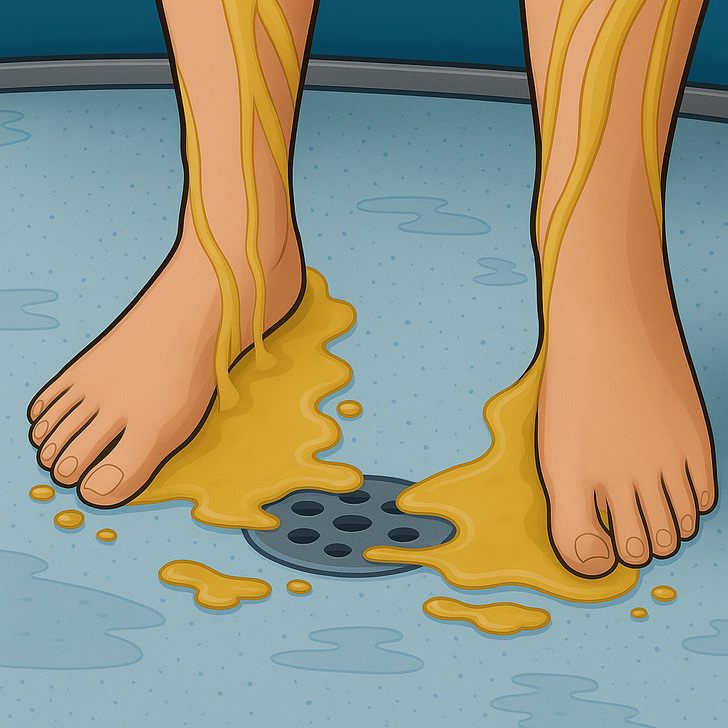
The truth is more complicated than a simple yes-or-no answer.
For most healthy people, occasionally urinating in the shower is unlikely to cause serious health problems. However, there are several hygiene, behavioral, and environmental considerations that are worth understanding before deciding whether this habit is right for you.
From a biological perspective, urine is generally considered low-risk in healthy individuals. Medical experts often note that urine typically does not contain harmful bacteria when a person is free from infection. Because of this, urine itself is not usually viewed as a significant health threat in a private shower environment.
Another reason many people believe the practice is harmless is that shower water continuously rinses the area, carrying urine directly into the drain. Unlike standing water, a functioning shower provides a constant flow that helps remove waste almost immediately.
However, low risk does not necessarily mean no risk.
Certain circumstances can change the situation significantly.
For example, individuals with urinary tract infections or other urinary health conditions may have bacteria present in their urine. In these cases, the urine may contain microorganisms that could potentially contribute to hygiene concerns.
Likewise, people with cuts, scrapes, open wounds, or irritated skin should be more cautious. Although the overall risk remains relatively low, exposing damaged skin to bacteria can increase the possibility of irritation or infection.
This becomes particularly important in environments where multiple people use the same shower facilities.
Public showers found in gyms, locker rooms, dormitories, swimming facilities, and other shared spaces already contain moisture and conditions that can encourage the growth of various microorganisms. Maintaining good hygiene in these settings is especially important because bacteria and fungi can spread more easily in damp environments.
For that reason, health experts generally recommend avoiding urination in shared or public showers whenever possible.
Another aspect often discussed by specialists has less to do with hygiene and more to do with behavior.
Some pelvic health professionals have suggested that regularly urinating in the shower could create a psychological association between running water and the urge to urinate.
This concept is similar to a conditioned response. Over time, hearing or seeing running water may trigger an increased feeling of urgency, even when the bladder is not completely full.
Research on this topic remains limited, and not all experts agree about the significance of the effect. Nevertheless, some healthcare professionals believe it is worth considering, especially for people who already experience bladder sensitivity, urinary urgency, or pelvic floor concerns.
While occasional shower urination is unlikely to create major problems for most individuals, making it a deeply ingrained habit could potentially contribute to unwanted bladder behaviors in certain situations.
Good bathroom habits are generally encouraged as part of maintaining long-term urinary health.
There is also an environmental angle that often enters the conversation.
Supporters of the practice sometimes argue that urinating in the shower can help conserve water. Their reasoning is simple: if a person urinates while showering instead of flushing a toilet, one toilet flush is eliminated, reducing water consumption.
Technically, this argument has merit.
Modern toilets use varying amounts of water per flush, and reducing the number of flushes can contribute to water conservation over time. However, experts point out that the overall environmental impact is relatively modest unless the practice consistently replaces a significant number of toilet flushes.
In other words, while there may be some water-saving benefit, it is unlikely to dramatically affect household water usage on its own.
So should people avoid urinating in the shower entirely?
For most healthy adults, the answer is probably no. Occasional urination in a private shower environment is generally not considered dangerous. The water flow helps wash urine away, and healthy urine is typically not associated with major hygiene risks.
However, there are circumstances in which avoiding the habit may be the better choice.
People with urinary tract infections should consider using the toilet instead.
Those with open wounds, irritated skin, or other conditions affecting skin integrity may also benefit from being more cautious.
Similarly, individuals using public or shared shower facilities should be mindful of hygiene considerations and respect the comfort and expectations of others who use the same space.
Maintaining a clean shower is equally important. Regular cleaning helps prevent the buildup of soap residue, bacteria, mold, and other contaminants that naturally accumulate in damp environments. Good hygiene practices remain beneficial regardless of whether someone chooses to urinate in the shower.
It is also important to remember that personal habits vary widely. What feels normal and practical for one person may feel uncomfortable or inappropriate for another. In many cases, the decision comes down to personal preference, cleanliness, and individual health circumstances.
Health experts generally agree that context matters more than the act itself.
A healthy person occasionally urinating in a clean, private shower is very different from someone doing so in a crowded public facility or while dealing with an active infection.
Understanding those differences allows people to make informed choices based on facts rather than assumptions.
At the end of the day, urinating in the shower is not nearly as shocking or dangerous as some people believe. For most healthy individuals, it presents little risk when done in a private setting with proper hygiene. At the same time, it is not completely free of considerations, particularly when infections, skin conditions, shared facilities, or bladder habits are involved.
Like many everyday behaviors, the issue is less about strict rules and more about awareness, moderation, and common sense. By understanding the potential benefits and drawbacks, individuals can make decisions that best support their personal comfort, hygiene, and overall well-being.