Clogged drains are one of the most common household problems, and they seem to happen no matter how carefully you maintain your home. Even the cleanest kitchens and bathrooms eventually face this frustrating issue. Hair can accumulate in bathroom sinks and shower drains, while grease, soap residue, and food particles often build up in kitchen pipes. Over time these materials form blockages that slow down water flow or stop it entirely. When that happens, many people immediately reach for strong chemical cleaners or consider calling a plumber. However, harsh chemical products can damage your pipes, create strong fumes, and sometimes even harm the environment. Fortunately, there are several simple and effective ways to unclog a drain using items you likely already have at home. These methods are safer, affordable, and surprisingly effective at breaking down common blockages.
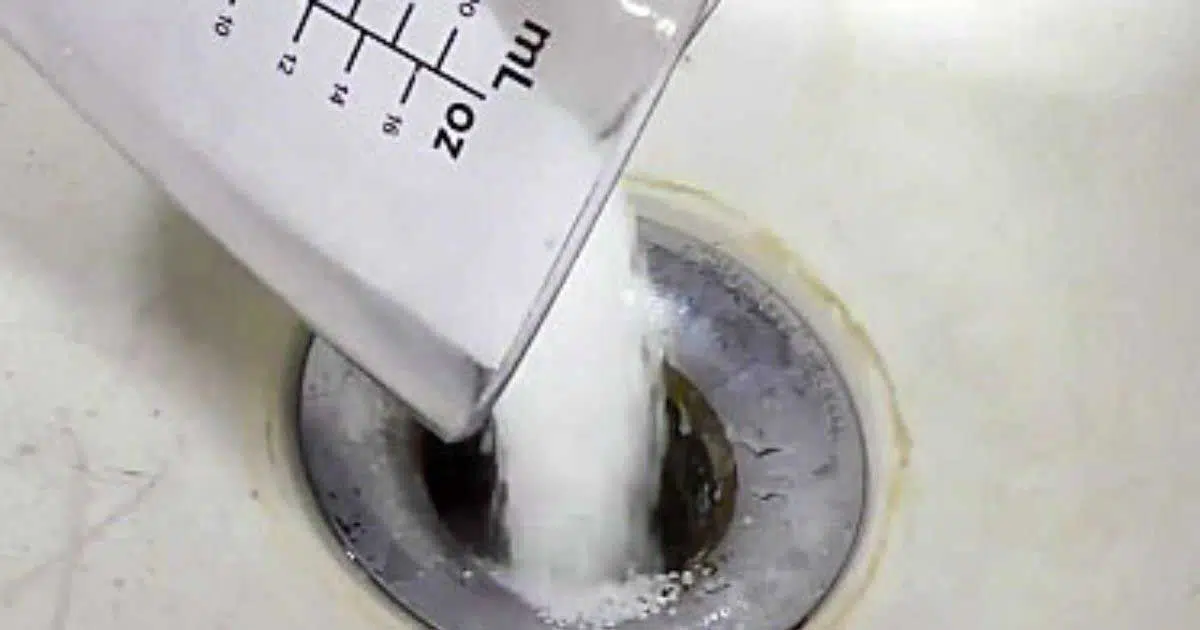
One of the easiest solutions begins with something most kitchens already have: dishwashing detergent. Kitchen drains frequently become clogged due to grease and oily residue from cooking. Over time, these substances cling to the inside of pipes and trap small bits of food, gradually forming a thick buildup. Dishwashing detergent is specifically designed to break down grease, which makes it a useful first step when dealing with this kind of clog. To try this method, pour a generous amount of liquid dishwashing detergent directly down the drain. Allow it to sit for a minute so it can begin loosening the greasy buildup inside the pipe. After that, turn on hot water and let it run for several minutes. The heat helps dissolve grease while the detergent works to separate it from the pipe walls. In many cases, this simple approach can clear minor kitchen clogs quickly and restore normal drainage.
Another surprisingly helpful household ingredient is salt. While most people think of salt only as a seasoning used in cooking, it can also serve as a practical cleaning aid throughout the home. When used in a drain, salt acts as a natural abrasive that helps loosen stubborn debris stuck inside pipes. To use this method, pour about half a cup of salt down the clogged drain. Afterward, carefully follow it with a pot of boiling water. The hot water dissolves grease and soap residue while the salt scrubs away buildup along the pipe’s interior surfaces. This combination is especially useful for drains that are slowing down due to layers of residue that have gradually accumulated over time. The process is simple, inexpensive, and does not require any specialized tools or chemicals.
One of the most popular natural cleaning solutions involves combining baking soda and vinegar. These two ingredients create a chemical reaction that produces bubbling and fizzing, which helps break apart grime, grease, and debris lodged inside pipes. Many homeowners already keep baking soda and vinegar in their kitchens, making this method convenient as well as effective. Begin by pouring about half a cup of baking soda directly into the drain. Once it settles, slowly pour half a cup of vinegar down the same drain. You will immediately notice bubbling as the mixture begins reacting. Allow the solution to sit and work inside the pipes for several minutes. After the fizzing subsides, flush the drain with boiling water. The hot water helps wash away the loosened debris and clears the path for smooth water flow. This method works particularly well for moderate clogs caused by grease or soap buildup.
Sometimes, however, a clog requires a more hands-on solution. In these situations, a plunger can be extremely effective. While plungers are most commonly associated with unclogging toilets, they can also work well on sinks and other drains. The basic idea behind a plunger is simple: it creates pressure that pushes and pulls water through the pipe, dislodging whatever material is blocking the passage. To use a plunger on a sink, make sure there is enough water in the basin to cover the rubber cup of the plunger. Place the plunger firmly over the drain opening and press down to create a seal. Then pump the plunger up and down several times to generate suction. This pressure movement can break apart the clog and restore proper drainage. Often, just a few firm plunges are enough to free the blockage and allow water to flow again.
It is worth remembering that most household clogs develop gradually rather than all at once. Food particles, grease, soap residue, and hair slowly accumulate inside pipes until water begins draining more slowly. By addressing these issues early, you can often prevent major blockages from forming. Regularly flushing drains with hot water and occasionally using one of the simple methods described above can help keep pipes clear and functioning properly.
Another benefit of these natural solutions is that they avoid the risks associated with harsh chemical drain cleaners. Many commercial cleaners rely on extremely strong ingredients designed to dissolve organic material quickly. While these chemicals can sometimes clear severe clogs, they may also corrode pipes over time, especially in older plumbing systems. Additionally, the fumes from chemical cleaners can irritate eyes, skin, and lungs if not handled carefully. Using safer alternatives like detergent, salt, baking soda, and vinegar reduces these risks while still addressing most everyday drain problems effectively.
Of course, not every clog can be solved with household remedies alone. If you have tried these techniques and the drain remains blocked, the problem may be deeper within the plumbing system. In such cases, professional help might be necessary. Plumbers have specialized tools designed to remove stubborn obstructions that cannot be reached using basic household methods.
Still, for many common situations, these simple solutions can save both time and money. With just a few everyday items and a little patience, you can often restore proper drainage without relying on harsh chemicals or expensive repairs. By keeping these techniques in mind, you will be better prepared the next time a sink or drain begins to slow down.
Maintaining a clean and functional home doesn’t always require complicated products or professional services. Sometimes the most effective solutions are the simplest ones, using items already sitting in your kitchen cabinet. With these practical methods, clearing a clogged drain becomes a manageable task rather than a stressful household emergency.