On the first morning of December, Lucinda Mullins gently squeezed her husband DJ’s hand and joked that she expected a bouquet of flowers waiting for her when she returned home from what she called a “boring little procedure.” The surgery was meant to remove a kidney stone, something doctors assured the family was routine and low risk. At forty-one years old, Lucinda was the kind of person who seemed capable of handling anything life placed in front of her. She worked as a certified medical assistant, woke before dawn to pack lunches for her children, and still managed to volunteer her voice in the choir at Ferguson Baptist Church. Her days were always full, but she moved through them with energy, warmth, and a smile that rarely faded.
The procedure itself went smoothly. Doctors inserted a temporary stent designed to help flush any remaining fragments from her kidney. Later that same day she returned home, feeling a little sore but otherwise relieved that everything had gone according to plan. For a few hours the evening seemed perfectly normal. But suddenly, without warning, Lucinda felt a wave of dizziness so powerful she had to grab the kitchen counter to steady herself. Moments later, DJ heard a cry from the bathroom. When he rushed in, he found her collapsed on the cold tile floor.
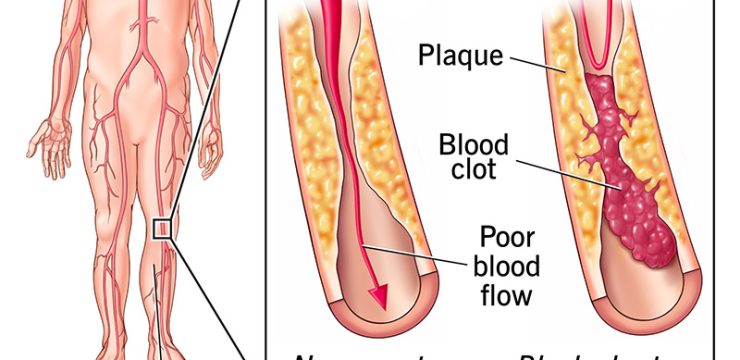
At Logan Hospital, the medical team moved quickly. Lucinda’s blood pressure had dropped to a dangerously low level—just fifty over thirty-one. The kidney stone had carried an infection that rapidly spread through her bloodstream, triggering septic shock. Within hours she was airlifted to the University of Kentucky Hospital in Lexington, where specialists placed her on multiple life-support systems. Machines surrounded her bed: a ventilator to help her breathe, dialysis to support her kidneys, and ECMO to circulate oxygen through her blood. Each device bought precious time for a body that was fighting desperately to survive.
For nearly a week Lucinda remained unconscious.
DJ hardly left her side. Their twelve-year-old son Teegan tried to act brave, reassuring seven-year-old Easton that their mother was simply sleeping and would wake up soon. Lucinda’s twin sister, Luci Smith, and their mother Reba spent long hours praying quietly in the hospital waiting room. Doctors explained that if Lucinda survived, the damage caused by septic shock could permanently change her life.
When she finally opened her eyes, it felt as if she had been rising slowly from deep water. A surgeon stood beside her bed and spoke with calm honesty. The life-saving machines that had protected her organs had also redirected blood away from her limbs. Severe tissue damage had occurred. To prevent the infection from spreading further, both of her legs would need to be amputated immediately. Her arms had also been affected, and there was a strong possibility that her hands and forearms might require removal in the coming weeks.
DJ prepared himself for heartbreak.
Instead, Lucinda simply nodded.
“If it means I get to stay here with my boys,” she whispered quietly, “then do what you have to do.”
The following day, surgeons performed the operation to remove both of her legs.
The grief that followed arrived in gentle waves rather than dramatic storms. Lucinda cried when she realized she would never again feel grass beneath her bare feet. She cried when Easton carefully touched the blankets covering the place where her legs once were. Yet through it all, she never once asked the question that so many people might have asked: “Why me?” Instead, she focused on what remained—her breathing, her heartbeat, and the loving hands of her family holding tightly to hers.
Several weeks later, doctors made the difficult decision to remove her hands and forearms as well, carefully preserving enough length below the elbow so advanced prosthetics could be fitted in the future. One physician described the decision simply as “choosing life over limb.”
After six challenging weeks in the hospital, Lucinda finally returned home to Waynesburg. A police escort led the car through town while neighbors stood along the streets holding handmade signs of encouragement. Members of her church gathered outside her house singing softly as the vehicle pulled into the driveway. DJ wiped tears from his eyes before helping her carefully inside.
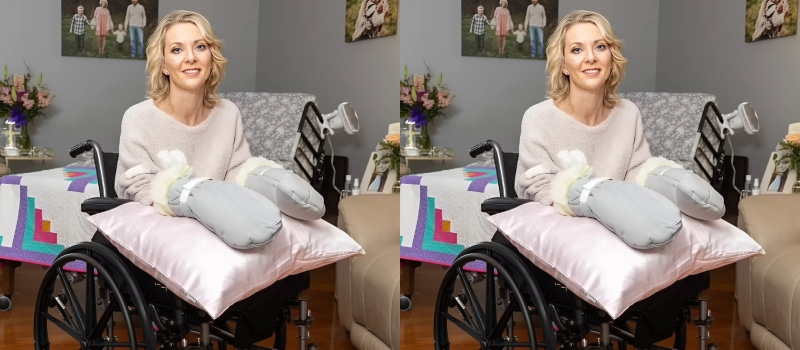
Recovery began immediately. Lucinda learned how to move across the bed using her hips, jokingly calling the technique “booty scooting.” She strengthened her core muscles so she could sit upright without assistance. Therapists introduced a wheelchair she could steer using subtle head movements. When messages flooded her phone from friends and strangers offering support, she scrolled through them with the help of her nose.
At home, her children became her greatest helpers. Easton followed her everywhere, holding straws so she could drink and brushing her hair each night before bed. Teegan asked thoughtful questions about prosthetics and how nerves worked. Every morning DJ spent nearly two hours carefully wrapping her healing limbs, checking for any signs of infection.
“I’m not a victim,” Lucinda often told visitors with quiet confidence. “I’m a warrior.”
The word carried deep meaning for her. Years earlier she had been a cheerleader for the Southwestern High School Warriors, and that determined spirit still lived within her.
Doctors soon began discussing a procedure called osseointegration, in which prosthetic implants are anchored directly into the bone for greater stability and control. The surgery was expensive, but the story of Lucinda’s strength touched people across the country. Donations poured in, eventually exceeding two hundred sixty-five thousand dollars to support her recovery.
When spring arrived, she received her first prosthetic legs. Therapists positioned her between two parallel bars while DJ, Luci, and their mother watched anxiously nearby. Teegan recorded the moment on his phone while Easton stood quietly, hardly breathing.
Lucinda pressed downward with every ounce of strength she had built during therapy.
Slowly, carefully, she rose to her feet.
For one powerful moment, she stood tall again.
Tears filled DJ’s eyes as Easton shouted encouragement. Lucinda laughed through her own tears, wobbling slightly but refusing to give up. It wasn’t a perfect step, but it was the beginning of something extraordinary.
Over the following months she progressed rapidly. With additional surgeries and specialized prosthetics, she learned to balance, take assisted steps, and eventually walk on her own. Advanced prosthetic arms allowed her to grasp objects gently and even embrace her sons once more.
Yet the most meaningful change in Lucinda’s life was not physical.
During recovery she spent countless hours reading messages from people who had experienced sepsis. Many had not recognized the warning signs in time. Some had lost loved ones. With her medical background, Lucinda understood just how quickly the condition could escalate.
One evening, as DJ adjusted the sleeve on her prosthetic arm, she looked at him thoughtfully and said, “This can’t just be my story.”
Within a year she launched the Warrior Within Initiative, an organization dedicated to educating rural communities about sepsis symptoms and early treatment. She visited hospitals, spoke in schools, and partnered with healthcare providers to distribute simple checklists that could help people recognize danger signs sooner.
Two years after the surgery that changed her life, Lucinda returned to Logan Hospital. This time she wasn’t a patient—she was a guest speaker at a new sepsis awareness seminar. During the visit, a young nurse approached her with a grateful smile.
“Because of the training program you helped support,” the nurse explained softly, “we recognized a septic case last month almost immediately. That patient went home with her limbs intact.”
In that moment Lucinda understood something profound. Surviving had felt like the miracle, but survival was only the beginning.
That Sunday at Ferguson Baptist Church, Lucinda stood confidently before the congregation on her prosthetic legs. DJ and the boys sat proudly in the front row while Luci and Reba watched with shining eyes.
“I once believed my happy ending was simply staying alive,” she told the crowd gently. “But I’ve learned something greater. Even in loss, there can be purpose.”
The sanctuary grew silent.
“I lost my limbs,” she continued, her voice steady and full of faith, “but I gained a mission. And if my story helps even one family avoid the pain mine experienced, then every step I take is worth it.”
The congregation rose to their feet in applause.
Lucinda looked toward her family, smiling with gratitude. She was no longer the woman who had entered surgery that December morning.
She was stronger, guided by faith, and driven by love.
And as she stepped down from the podium with calm confidence, she realized something remarkable.
She wasn’t just learning to walk again.
She was showing others the path forward.