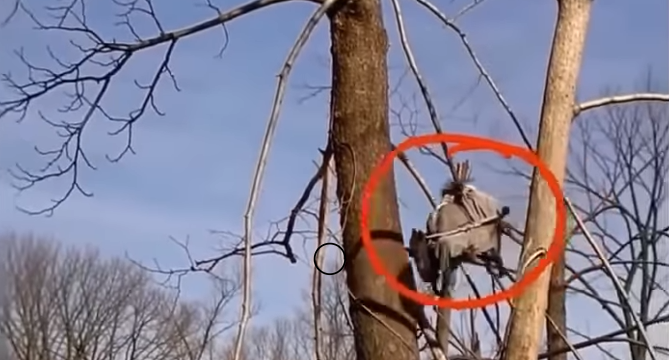
Videos claiming to show mysterious creatures hidden deep within remote jungles frequently spread across social media, attracting millions of views within hours. Dramatic headlines such as “OMG! Unbelievable Footage” immediately capture attention and encourage viewers to click before asking important questions. While these videos often appear convincing at first glance, they typically follow a familiar formula that has become increasingly common in viral online content. The combination of suspenseful storytelling, limited context, and unclear visuals creates an experience that feels authentic even when the available evidence remains incomplete.
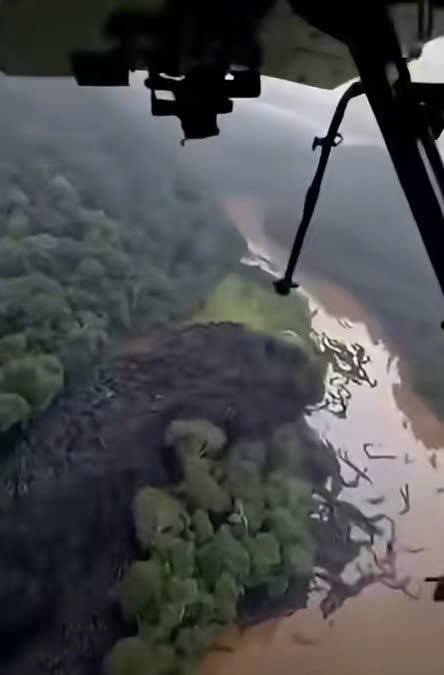
One reason these stories gain so much attention is that they are carefully structured to build suspense. They often begin with dramatic narration or emotional reactions before revealing a blurry video clip that supposedly captures something extraordinary. Details about where the footage was recorded, who filmed it, or when it was taken are frequently vague or missing altogether. This lack of specific information encourages viewers to fill in the gaps with their own assumptions, making the mystery seem much larger than the evidence actually supports.
The rapid pace of social media contributes significantly to this process. Videos are often shared thousands of times before anyone has an opportunity to verify the original source or examine the footage carefully. As comments and reactions multiply, many people begin repeating claims simply because they have seen them shared repeatedly by others. In many cases, the popularity of a video creates the impression that it must be genuine, even though widespread sharing does not automatically make a claim accurate.
Despite the excitement generated by these viral clips, there is currently no verified scientific evidence confirming the existence of an unknown giant creature living in any jungle. Researchers who study wildlife continue to discover new species from time to time, but those discoveries involve careful field research, documented observations, and peer-reviewed scientific analysis rather than isolated internet videos. Extraordinary claims require equally extraordinary evidence before they can be accepted as factual.
Many videos that appear mysterious have far more ordinary explanations. Dense forests and tropical jungles create challenging environments for both the human eye and digital cameras. Thick vegetation, changing light conditions, moving branches, shadows, and uneven terrain can easily distort perception. Objects viewed through layers of leaves or from long distances may appear much larger or stranger than they truly are.
Perspective also plays an important role in how people interpret unfamiliar scenes. Without a recognizable object nearby for comparison, it becomes extremely difficult to judge the true size of anything visible in a video. A large tree stump, a fallen branch, construction equipment, or even a known animal partly hidden by vegetation can appear enormous when viewed from the right angle. Small changes in camera position or zoom level may dramatically alter how an object is perceived.
Motion blur introduces another layer of confusion. Smartphones and consumer cameras sometimes struggle to capture moving subjects clearly, particularly in low-light conditions common beneath dense jungle canopies. Fast movement combined with digital zoom often produces blurry outlines that viewers naturally try to interpret. The human brain is remarkably skilled at recognizing patterns, but that ability sometimes leads people to identify familiar shapes where none actually exist.
Throughout history, stories about mysterious creatures have existed in cultures around the world. Legends involving beings such as Bigfoot, the Yeti, or other unidentified animals have remained popular for generations. Whenever new videos emerge showing unclear figures in forests or mountains, these traditional stories often return to public conversation. While folklore forms an important part of cultural history, it should not be confused with verified scientific evidence.
Many previous viral sightings eventually received ordinary explanations after investigators examined the footage more closely. Some turned out to feature known animals viewed from unusual angles. Others involved editing techniques, computer-generated imagery, recycled videos from unrelated events, or carefully staged productions designed to attract online attention. As technology continues improving, distinguishing authentic recordings from digitally altered content becomes increasingly challenging.
Modern visual effects have made it easier than ever to produce realistic-looking videos. Computer-generated imagery, artificial intelligence, advanced editing software, and image enhancement tools allow creators to generate convincing visual scenes that may appear genuine to casual viewers. Even when no deliberate editing occurs, compression artifacts created while uploading or sharing videos online can distort details enough to produce misleading impressions.
Scientists do not automatically dismiss every unusual video they encounter. Instead, they apply consistent standards when evaluating extraordinary claims. Reliable evidence typically includes clear, high-resolution images or videos, multiple independent recordings from different perspectives, physical traces that can be examined scientifically, and confirmation from qualified experts working independently of one another. These requirements help ensure that conclusions are based on measurable evidence rather than speculation.
Scientific investigation depends upon careful observation, repeated testing, and independent verification. A single unclear video rarely provides enough information to establish the existence of an unknown species or support remarkable conclusions. Researchers remain open to new discoveries, but they also recognize the importance of following established methods before announcing findings that could significantly change scientific understanding.
Critical thinking is especially valuable when encountering sensational content online. Rather than immediately accepting dramatic claims, viewers benefit from asking practical questions. Who recorded the footage? Where was it filmed? Has the location been independently confirmed? Have wildlife experts examined the video? Are there additional recordings showing the same event? Considering these questions often provides valuable perspective before reaching conclusions.
The popularity of mysterious creature videos demonstrates people’s natural curiosity about the unknown. Humans have always been fascinated by unexplored places, hidden wildlife, and stories that challenge everyday expectations. That curiosity inspires scientific exploration as well as entertaining storytelling. However, maintaining a healthy balance between imagination and evidence allows people to appreciate both without confusing one for the other.
Ultimately, the most likely explanation for many viral jungle creature videos involves a combination of visual misunderstanding, environmental conditions, perspective, and, in some cases, intentional digital manipulation. While these recordings often create engaging discussions and capture widespread attention, they rarely contain sufficient evidence to support extraordinary claims. Until clear, independently verified scientific evidence becomes available, such videos remain interesting internet mysteries rather than confirmed discoveries, reminding viewers of the importance of careful observation, reliable sources, and thoughtful evaluation before accepting sensational stories as established fact.