A Substitute Teacher’s Legal Case Raises Serious Questions About Trust, Boundaries, and Student Safety
A quiet Texas community has found itself at the center of a troubling legal case involving a former substitute teacher whose alleged conduct has sparked widespread concern among parents, educators, and local officials. The situation has also reignited an important national conversation about professional boundaries in schools, the role of digital communication, and the responsibility educators carry when working with young people.

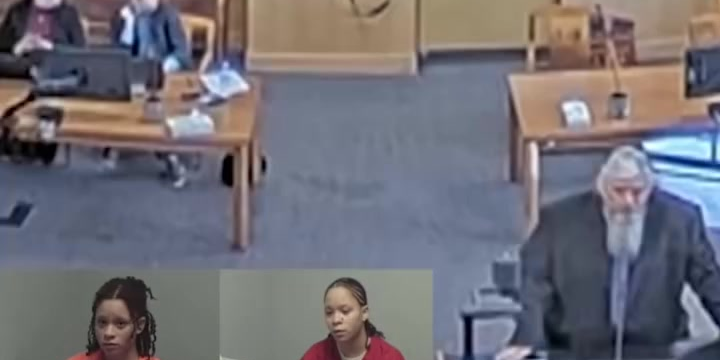
Angela Palmares, a 27-year-old substitute teacher from Llano, Texas, was arrested after authorities began investigating claims that she engaged in inappropriate interactions with students connected to the local school district. According to investigators, the concerns first surfaced after school administrators reportedly identified questionable communication taking place outside regular school hours through social media platforms.
District officials explained that the messages allegedly crossed professional lines expected between educators and minors. Although authorities have not publicly released the complete contents of the communication, the district stated that the interactions were serious enough to trigger immediate action and a formal law enforcement investigation.
Once the allegations became known, school administrators moved quickly to remove Palmares from her position. Officials also contacted police and cooperated fully with investigators as they began reviewing digital evidence connected to the case. The district later emphasized that student safety remains its highest priority and that any situation involving a possible abuse of trust is handled with extreme seriousness.
As investigators continue examining records, messages, and electronic communication, authorities are attempting to determine the full extent of the situation. They are also reviewing whether additional individuals may have been involved and whether more charges could potentially follow depending on the evidence uncovered during the investigation.
Legal analysts familiar with Texas law explain that allegations involving educators and students are treated especially seriously because teachers hold positions of authority and trust. Schools are expected to provide safe learning environments, and educators are expected to maintain clear and appropriate boundaries with students at all times, both inside and outside the classroom.
Under Texas law, a second-degree felony can carry significant penalties. However, legal experts note that if prosecutors pursue multiple counts and convictions occur on several charges, sentencing totals can become extremely lengthy. Reports connected to the case have suggested that Palmares could theoretically face a cumulative sentence of up to 121 and a half years in prison if the most serious outcomes under the law were applied.
At this stage, officials stress that these figures represent possible maximum penalties rather than a confirmed sentence. Any final decision would ultimately depend on the court process, the evidence presented, and the outcome of future hearings. Like all defendants in the American legal system, Palmares is presumed innocent unless proven guilty in court.
News of the allegations has deeply unsettled many families in the Llano community. Parents have expressed concern over how modern technology and social media can sometimes blur professional boundaries between students and adults. Some families say the case has prompted them to pay closer attention to their children’s online communication and digital activity.
Education professionals say schools across the country have strengthened policies regarding communication between teachers and students in recent years. Many districts now require staff members to use approved school platforms when communicating with students and discourage private messaging through personal social media accounts.
Training programs for educators also emphasize the importance of maintaining professional conduct beyond the classroom. Teachers and substitute teachers are often reminded that trust is one of the most important parts of their role and that even seemingly casual communication can create serious ethical concerns if boundaries are not respected.
Community members in Llano have reacted with a mixture of shock, disappointment, and sadness. Many residents describe the allegations as especially painful because schools are viewed as places where children should feel protected and supported. Incidents involving school employees can sometimes damage confidence within a community long after investigations conclude.
Authorities are continuing to encourage anyone with additional information related to the case to contact investigators. Officials say cooperation from students, parents, and community members could help clarify the timeline of events and provide a more complete understanding of what occurred.
At the same time, experts say the case serves as an important reminder for parents to remain involved in their children’s online lives. Social media and digital messaging have become central parts of communication for many young people, making it increasingly important for families to discuss internet safety, privacy, and appropriate interactions with adults online.
For now, the legal proceedings involving Angela Palmares remain ongoing, and many questions have yet to be answered. Meanwhile, the Llano school district continues working to reassure parents, review internal safeguards, and reinforce policies designed to protect students and maintain trust within the educational environment.
The case stands as a powerful reminder of the serious responsibilities carried by educators and the lasting consequences that may follow when professional boundaries are allegedly violated.
Cases like this also highlight the growing challenges schools face in the digital age. Unlike previous generations, communication between students and adults can now continue long after the school day ends through phones, apps, and social media platforms. Because of this, many districts are reviewing policies and increasing oversight involving online interactions connected to education. Community leaders say prevention, transparency, and early reporting are essential for protecting students and preserving public confidence in local schools. They also believe open conversations between parents, teachers, and students can help reduce risks.