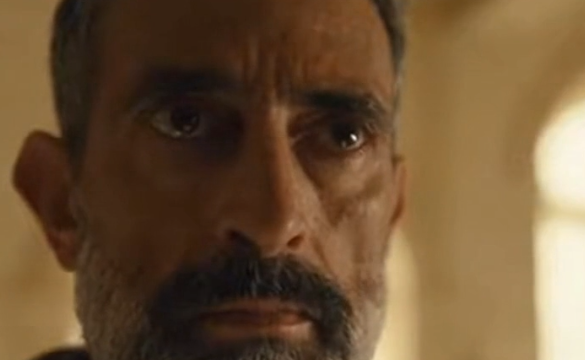
Jonathan Reed never considered himself the kind of man who spies on people. In his mind, he wasn’t paranoid—he was careful. Life had taught him that trust, when misplaced, can cost more than money. That belief guided him the day he approved the installation of twenty-six discreet security cameras throughout his sprawling estate, watching silently as technicians threaded cables through the walls like hidden veins.

Jonathan was a billionaire. But more than that, he was a widower. And the father of newborn twin boys.
At forty-four, he still resisted the word widower. Laura, his wife, was never supposed to die. A respected pediatric neurologist, she had a rare gift for calming children with little more than a steady look and a soft voice. After enduring two heartbreaking miscarriages, she had finally carried a pregnancy to term.
Two beautiful boys: Ethan and Lucas.
The delivery had been sudden and urgent—blinding lights, suspended heartbeats, tense voices. Then came the fragile but unmistakable cries of their sons. Laura held them for only a few seconds, smiled at Jonathan, and whispered, “We did it, my love.”
Four days after they returned home, she collapsed. An internal hemorrhage. Too late to reverse.
Laura was gone, leaving Jonathan alone in a sterile hospital corridor, holding two infants and a grief too heavy to process.
Everyone quickly began telling him how to manage his sorrow. Nurses offered advice. Doctors offered reassurance—especially when Ethan cried. Not like most babies. His cries were high-pitched, relentless. Sometimes his tiny body stiffened in unusual ways.
Jonathan worried. The pediatrician dismissed it.
“Nothing abnormal,” the doctor said.
Then Laura’s sister arrived, armed with lawyers and accusations. She claimed Jonathan was emotionally absent, too wealthy to understand real parenting, incapable of raising the twins alone. She threatened to pursue custody. The cameras, Jonathan reasoned, would prove he was involved. Attentive. Present.
That was when Nina Brooks entered their lives.
A nursing student, quiet and observant, she wasn’t impressed by wealth or status. She watched closely, learned quickly, and reassured without overstepping. When Ethan cried, she never panicked. She held him differently. More precisely. As if she understood something others had missed.
Jonathan rarely reviewed the footage. He wanted to believe everything was under control.
Until one sleepless night.
Restless and unable to quiet his thoughts, he opened the live video feed. What he saw didn’t simply surprise him.
It dismantled every assumption he had built around himself.
On screen, Nina wasn’t careless or distracted. She was methodical—almost clinical. Jonathan watched her perform gentle exercises with Ethan: careful stretches, controlled rotations, measured movements. She consulted a small notebook repeatedly, documenting everything. At one point, she stood at the kitchen counter preparing bottles, tears silently falling. She wiped her face quickly and returned to the twins as if nothing had happened.
Another clip held his attention longer than the rest.
Ethan was inconsolable. Nina rocked him, murmured softly, adjusted his position—nothing worked. After a visible hesitation, she sat in the armchair and held him close against her chest, skin to skin, offering comfort in the most nurturing way possible.
As Jonathan continued watching recordings from previous days, the full picture began to emerge.
Nina had been researching. Medical journals. Reputable pediatric sources. She understood that in certain circumstances, lactation could be induced in women who had not given birth, provided there was consistent stimulation and, sometimes, hormonal guidance. It was rare—but medically documented. Her actions were not impulsive. They were intentional, rooted in a desire to soothe and support a distressed infant.
The cameras also captured a moment during bath time. Nina noticed a faint but concerning mark on Ethan’s skull. Instinctively, she took a photo. But when she heard Jonathan’s car pulling into the driveway, she deleted it.
The pediatrician had insisted everything was fine. But everything was not fine.
As Jonathan reviewed more footage, a troubling pattern surfaced. Nina was researching birth trauma and cerebral palsy. She had tried raising concerns during appointments. In one clip, Jonathan saw a brief flicker of discomfort cross the doctor’s face before he dismissed her with curt confidence.
Then came the video that broke him.
Nina sat at the kitchen table drafting an email accusing the hospital of medical negligence. She deleted it. Rewrote it. Deleted it again. Finally, she whispered an apology to someone named Mateo—her brother. The footage showed her glancing at an old photo on her phone of a young boy in a wheelchair.
When Jonathan confronted her, the truth emerged in fragments. Nina’s visa had expired. She was living in constant fear of deportation. Years earlier, her brother Mateo had suffered complications at birth that doctors failed to address in time. She recognized the signs in Ethan immediately because she had lived through them before. She had planned to report the medical oversight anonymously and leave before her immigration status caught up with her.
Jonathan felt no anger. Only shame.
He had installed cameras expecting to uncover neglect. Instead, they revealed unwavering devotion.
That morning, Jonathan made calls—not to the police, but to attorneys and specialists. He resolved Nina’s immigration situation through legal channels. He terminated the pediatrician’s services and demanded an independent medical evaluation. He also instructed his lawyers to halt Laura’s sister’s custody claims.
The diagnosis came soon after: mild cerebral palsy caused by birth trauma. With early intervention, Ethan’s prognosis was hopeful. Without it, the consequences could have been irreversible.
Nina had safeguarded Ethan’s future.
Months later, the atmosphere in the house had shifted. Jonathan returned home earlier each day. He learned the therapy exercises himself. He listened more carefully. Ethan began showing measurable progress. Nina no longer carried fear in her posture.
For the first time since Laura’s death, Jonathan understood something profound.
The cameras had not exposed a threat. They had exposed love.
He realized that surviving loss did not mean tightening control over everything. It meant staying present—even when the pain was overwhelming. It meant trusting again, not blindly, but with humility.
Laura had once calmed anxious parents by reminding them that healing requires patience and partnership. Jonathan finally understood what she meant.
The security system remained in place, but its purpose had shifted in his mind. It was no longer a tool for suspicion. It was a silent reminder that sometimes, when we look for betrayal, we might instead find compassion.
And in learning to see that, Jonathan Reed began not just to survive—but to truly remain.