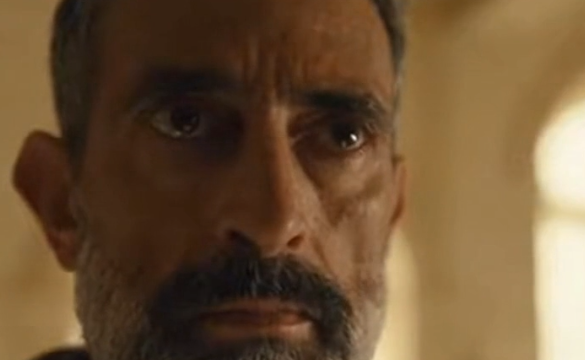
For decades, movie lovers have quietly shared rumors about a scene from Jaws that was supposedly so unsettling it never made it into the final cut. Some insist the sequence was filmed and later removed, while others believe it existed only as a concept discussed behind the scenes. Regardless of which version is true, the idea of a “missing scene” has become deeply woven into the film’s mythology, fueling curiosity about what director Steven Spielberg chose to keep hidden from audiences.
When Jaws was released in 1975, it didn’t just become a box office success—it redefined suspense in cinema and permanently altered how viewers felt about the ocean. Beaches, once symbols of relaxation and freedom, suddenly carried an undercurrent of fear. At the center of that emotional shift was one of the film’s most unforgettable moments: the death of young Alex Kintner, which unfolds with remarkable restraint rather than graphic display.
Instead of showing explicit details, Spielberg relied on implication. The camera focuses on reactions, frantic movement in the water, flashes of red, and the horrifying realization that the child is gone. The absence of direct imagery forces viewers to imagine what happened, making the moment more powerful than any detailed depiction could have been. This approach became a defining example of how suggestion can be more disturbing than visibility.
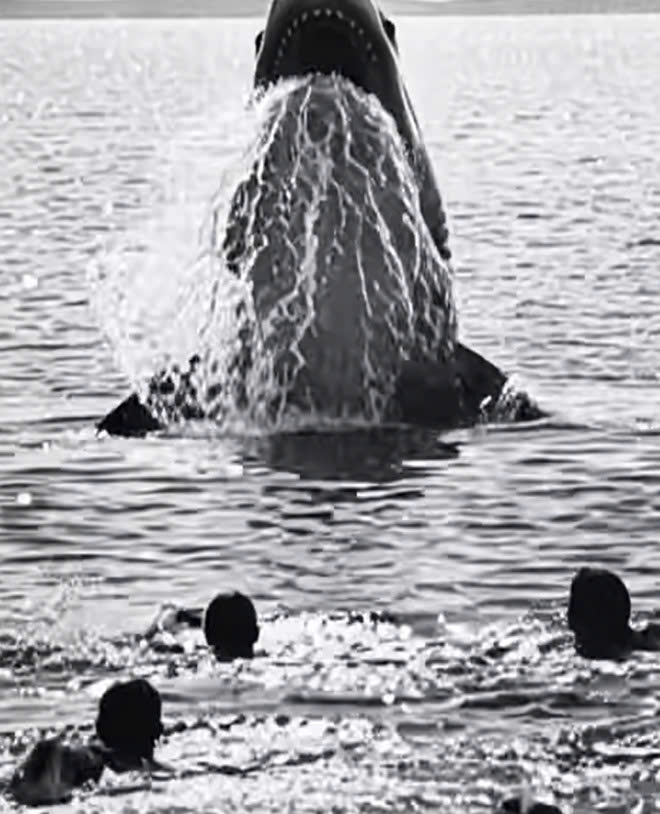
Over time, stories began to circulate suggesting that an alternate version of the scene once existed. According to these accounts, the shark was shown more clearly, interacting with the inflatable raft in a way that made the danger unmistakable. Despite years of speculation, no confirmed footage of such a version has ever surfaced. What remains instead are secondhand stories, production photographs, and fan discussions that blur the boundary between fact and legend.
Spielberg later addressed the reasoning behind his restraint, offering insight into both artistic and emotional considerations. An overly intense scene early in the film, he explained, risked exhausting the audience before the story had time to build momentum. The director wanted fear to grow gradually, allowing tension to accumulate rather than overwhelming viewers too soon.
Equally important was Spielberg’s decision to delay fully revealing the shark itself. By keeping the creature mostly out of sight, he transformed technical limitations into a storytelling advantage. The less the audience saw, the more their imagination filled in the gaps. This strategy not only heightened suspense but also made every eventual appearance of the shark feel more impactful.
The fascination with the rumored missing scene resurfaced years later when a behind-the-scenes photograph appeared, showing the mechanical shark positioned close to the raft used in filming. The image sparked renewed debate, with fans analyzing it for clues about what might have been filmed. Yet rather than confirming the existence of a lost sequence, the photograph highlighted how much of the film’s strength lies in what was deliberately left unseen.
What makes this discussion enduring is not whether a more explicit version ever existed, but what its absence accomplished. Jaws succeeded because it trusted the audience. Instead of spelling out every moment of danger, it allowed viewers to participate emotionally, filling in the blanks with their own fears. This collaborative experience between film and audience is one reason the movie remains so effective decades later.
From a modern perspective, Spielberg’s choices also align with storytelling principles that favor atmosphere over excess. The scene involving Alex Kintner is remembered not because of what is shown, but because of how it feels. The shock comes from sudden loss and helplessness, conveyed without unnecessary detail, making the moment accessible to a wide audience while preserving its emotional weight.
Nearly fifty years after its release, Jaws continues to be studied, discussed, and celebrated. The mystery surrounding the so-called missing scene has become part of the film’s legacy, adding another layer to its cultural impact. Whether the scene was filmed or merely imagined, its absence shaped the movie in a way that proved timeless.
In the end, the debate itself reinforces Spielberg’s original insight: fear is often most powerful when it is suggested rather than shown. By choosing restraint over explicit depiction, he created a film that continues to resonate across generations. The unanswered questions, the unseen moments, and the space left for imagination ensure that Jaws remains not just a classic thriller, but a masterclass in how less can truly be more.