Have you ever glanced down at your hands, arms, or legs and noticed that your veins suddenly look more pronounced than usual—almost as if they became visible out of nowhere? For some people, this is just a passing observation, something they shrug off without a second thought. But for others, it sparks real concern. Are visible veins a sign of good health? A natural part of aging? Or could they be an early warning that something deeper is happening inside your body? Although many people assume prominent veins are only a cosmetic issue, health professionals point out that, in certain situations, they may be signaling circulatory changes that shouldn’t be overlooked.
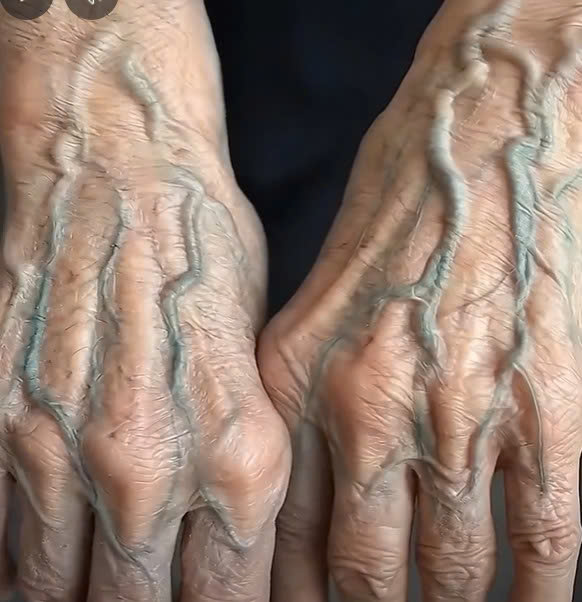
Veins play a critical role in your circulatory system by carrying oxygen-poor blood back toward the heart. Compared to arteries, veins lie closer to the skin’s surface and have thinner walls, which makes them more affected by factors such as temperature, body composition, hydration, and overall cardiovascular function. When these factors shift, the appearance of veins can change noticeably. Understanding why this happens can help you determine whether what you’re seeing is perfectly normal or whether it’s worth a closer look.
One of the most common — and completely harmless — reasons veins become more noticeable is low body fat. When there is less fat separating the veins from the skin, they naturally appear more visible. This is especially common among athletes, bodybuilders, or people who have recently lost weight. Aging is another major factor. As we get older, the skin becomes thinner and loses elasticity, making it easier to see underlying veins that may have always been there but were previously masked by thicker skin and more subcutaneous fat. Regular exercise, especially strength training or endurance workouts, can also cause veins to expand temporarily due to increased blood flow. In individuals who exercise consistently, the effect can be long-lasting. Temperature plays a role too—warm weather or hot showers cause veins to dilate as the body works to release heat, making them appear more prominent. And, of course, genetics matter. If visible veins are common in your family, you may naturally have more pronounced veins regardless of your overall health.
However, there are times when suddenly visible veins may point to an underlying issue rather than a cosmetic change. Chronic Venous Insufficiency (CVI), for example, occurs when the valves inside the veins weaken, allowing blood to pool in the lower legs. This condition often leads to swelling, heaviness, aching, and bulging veins. Varicose veins are another sign of venous stress, appearing as enlarged, twisted, rope-like veins that may be painful or accompanied by itching or skin discoloration. Superficial thrombophlebitis, which involves inflammation and a small clot near the surface of the skin, can cause the vein to feel tender, warm, or firm. A more serious concern is Deep Vein Thrombosis (DVT), a dangerous clot that forms in a deeper vein—usually in the leg. Symptoms can include sudden swelling, warmth, pain, or redness. Because DVT can lead to life-threatening complications, it is considered a medical emergency requiring immediate care.
Temporary or lifestyle-related changes can also make veins more visible. Intense workouts, dehydration, hormonal fluctuations from pregnancy or menopause, or even rapid weight loss can create noticeable but harmless shifts in the way veins appear. These changes typically resolve once hydration levels, hormone levels, or physical strain return to normal.
Still, it’s important to recognize when visible veins deserve medical attention. If your veins become significantly more noticeable without a clear reason—especially if you experience symptoms such as swelling, pain, warmth, or changes in skin color—it’s a good idea to reach out to a healthcare provider. These signs could indicate a vascular condition that needs evaluation. Early diagnosis can prevent complications and improve long-term outcomes.
Fortunately, a variety of treatment and management options exist for people who experience discomfort or want to address changes in appearance. Lifestyle adjustments can make a meaningful difference. Maintaining a healthy weight, exercising regularly, avoiding long periods of sitting or standing, and elevating your legs can all support better blood flow. Compression stockings are another widely recommended tool—they help veins work more efficiently and can reduce swelling or discomfort. Medical treatments such as sclerotherapy, laser therapy, or, in more severe cases, surgical procedures may also be recommended depending on the cause and severity of the issue.
Preventive habits can help keep your vascular system functioning smoothly. Staying hydrated, moving regularly during long flights or desk work, avoiding smoking, and eating a nutrient-rich diet all contribute to healthier veins over time. Even small, daily adjustments can support your circulatory health in meaningful ways.
There’s also an emotional side to consider. Some people view visible veins as a sign of strength, athleticism, or dedication to fitness. Others may feel self-conscious about their appearance, even when the change is harmless. It’s important to remember that visible veins alone rarely determine someone’s health status. And if the appearance of your veins affects your confidence, there are safe, effective options available to address both cosmetic concerns and physical discomfort.
In the end, visible veins can mean several different things depending on your age, activity level, genetics, and overall vascular health. Most of the time, they’re completely normal—simply the result of aging skin, improved fitness, or natural differences in body composition. But in some cases, they can point to circulatory issues like venous insufficiency or blood clots. Understanding the difference between ordinary, harmless changes and meaningful warning signs empowers you to make informed decisions about your health. When in doubt, don’t hesitate to speak with a healthcare professional. Your veins provide an important window into your circulatory system and overall well-being.
If you found this article helpful, please share it with your family and friends on Facebook so they can benefit from this information too.